
2026, 6, 16
China's new whole-of-nation system, characterized by concentrating resources to accomplish major tasks
Unlike the state-led models in the United States and Germany, China's new whole-of-nation system is unique.
Read moreTracking innovation evolution in the US, China, and Germany: Unpacking the underlying logic and implementation outcomes of institutional design
Unlike the state-led models in the United States and Germany, China's new whole-of-nation system is unique.
Read more
Without the formulation and execution of this strategy, Germany's manufacturing sector would face a "pincer squeeze" from both China and the U.S. Its traditional pillars—automotive, machinery, chemicals, and electronics—would accelerate their decline, reducing Germany to a second-tier industrial nation and significantly eroding the global standing of "Made in Germany."
Read more
In 2013 and 4, the Hannover Messe officially released the "Recommendation on Implementing the 'Industry 4.0' Strategy." Since then, Industry 4.0 has become a national strategy for Germany. In 2020, it was included as one of the Top 10 Future Projects in the "German High-Tech Strategy 2020". Its core is to achieve smart manufacturing through Cyber-Physical Systems (CPS) and consolidate Germany's leading position in global industry.
Read more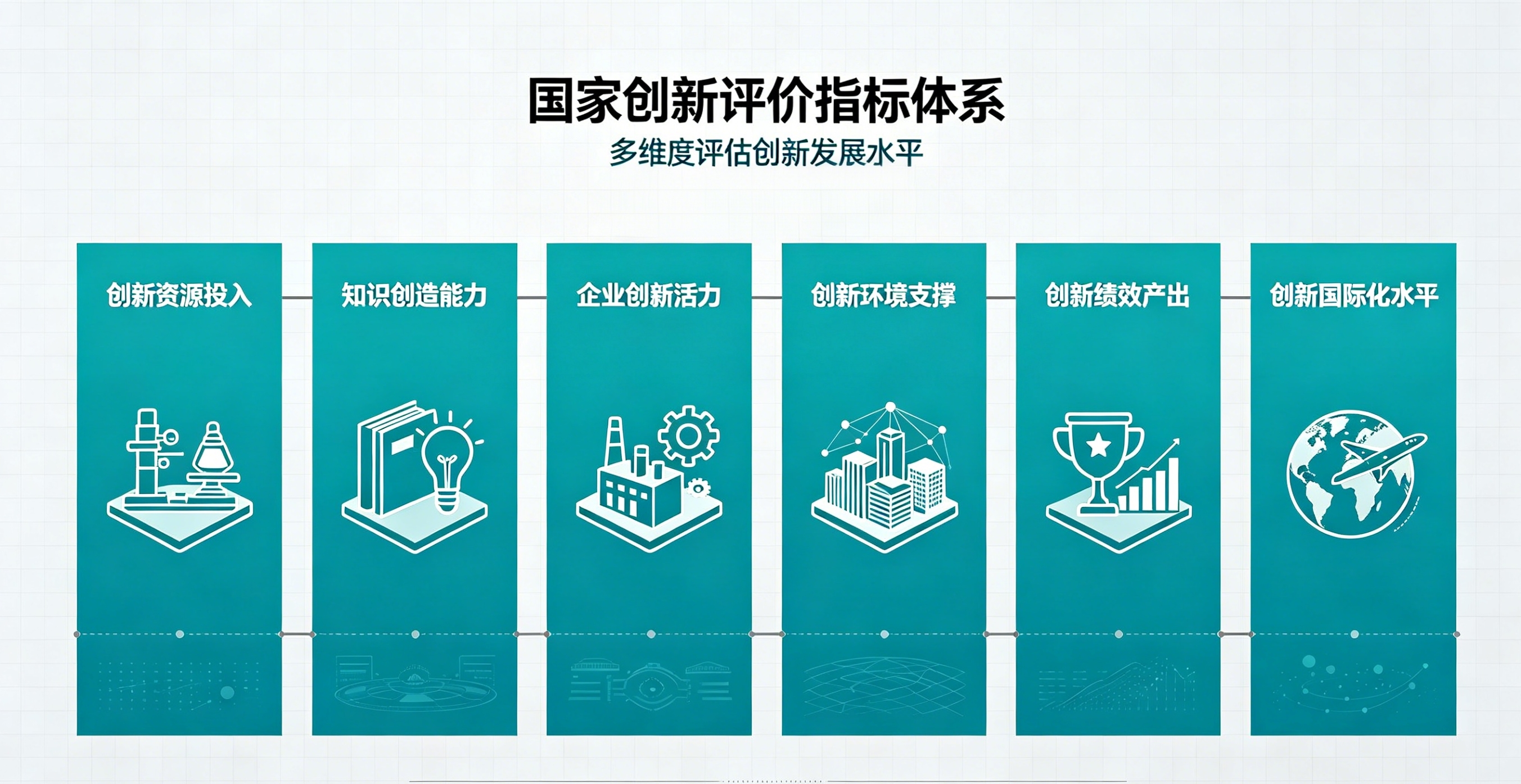
Over the past decade, innovation has become a core driver of economic progress and national competitiveness. Both developed and developing nations have placed innovation at the heart of their national strategies. Innovation is no longer confined to R&D labs and scientific papers; it now spans multiple dimensions, including social innovation, business model innovation, and technological innovation. To objectively assess national innovation competitiveness, more precise and comprehensive indicator systems are needed. Countries worldwide are actively conducting research on national innovation evaluation, leading to the emergence of numerous ranking systems.
Read more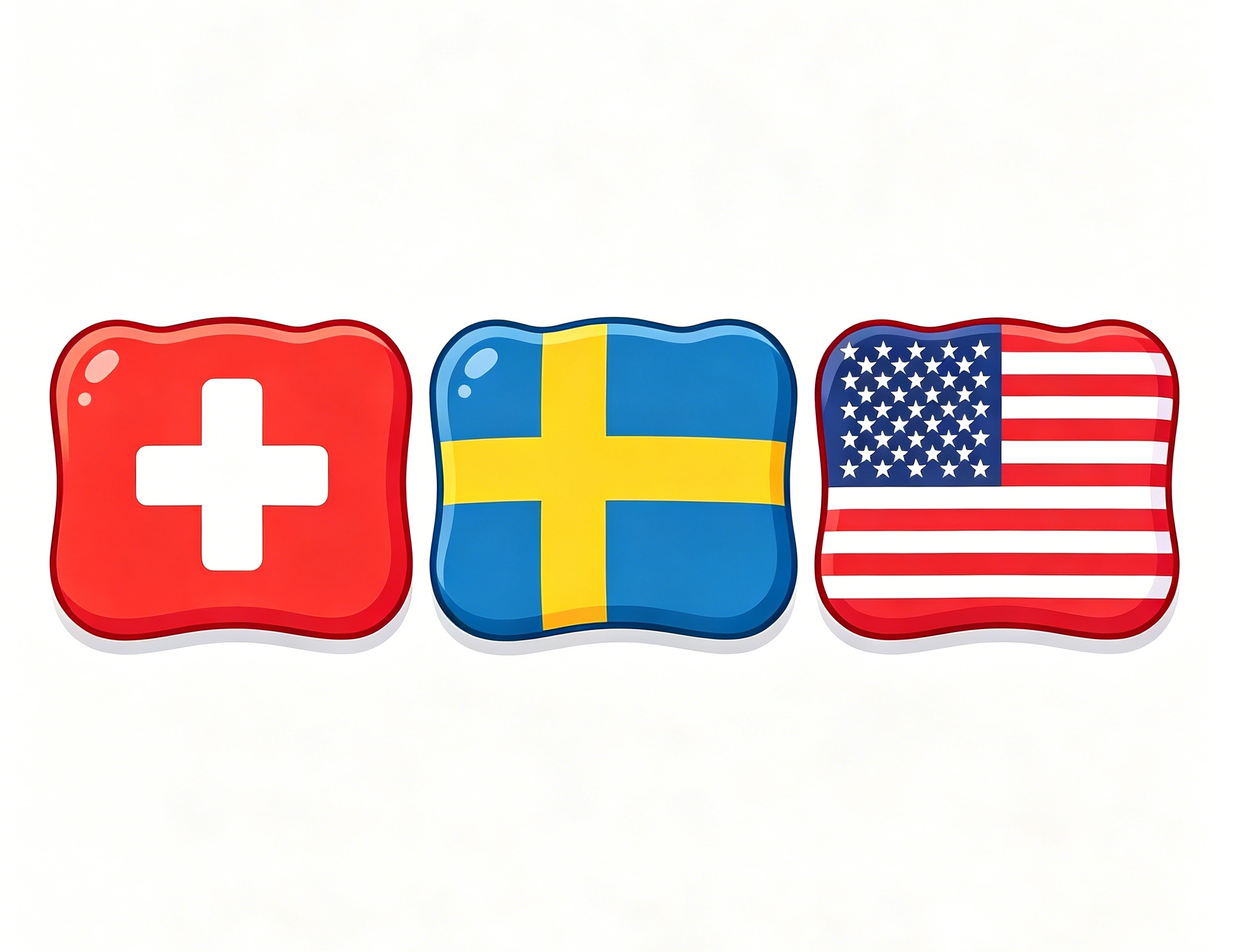
In the 2025 Global Innovation Index (GII) rankings, Switzerland has held the top spot for 15 consecutive years, followed by Sweden and the United States in second and third place. These three nations are collectively recognized as Tier 1 leaders. They share common strengths, including high R&D investment, world-class education and research institutions, dense innovation clusters, strong intellectual property protection awareness, and high-quality outputs. However, they exhibit fundamental differences in their core innovation models.
Read more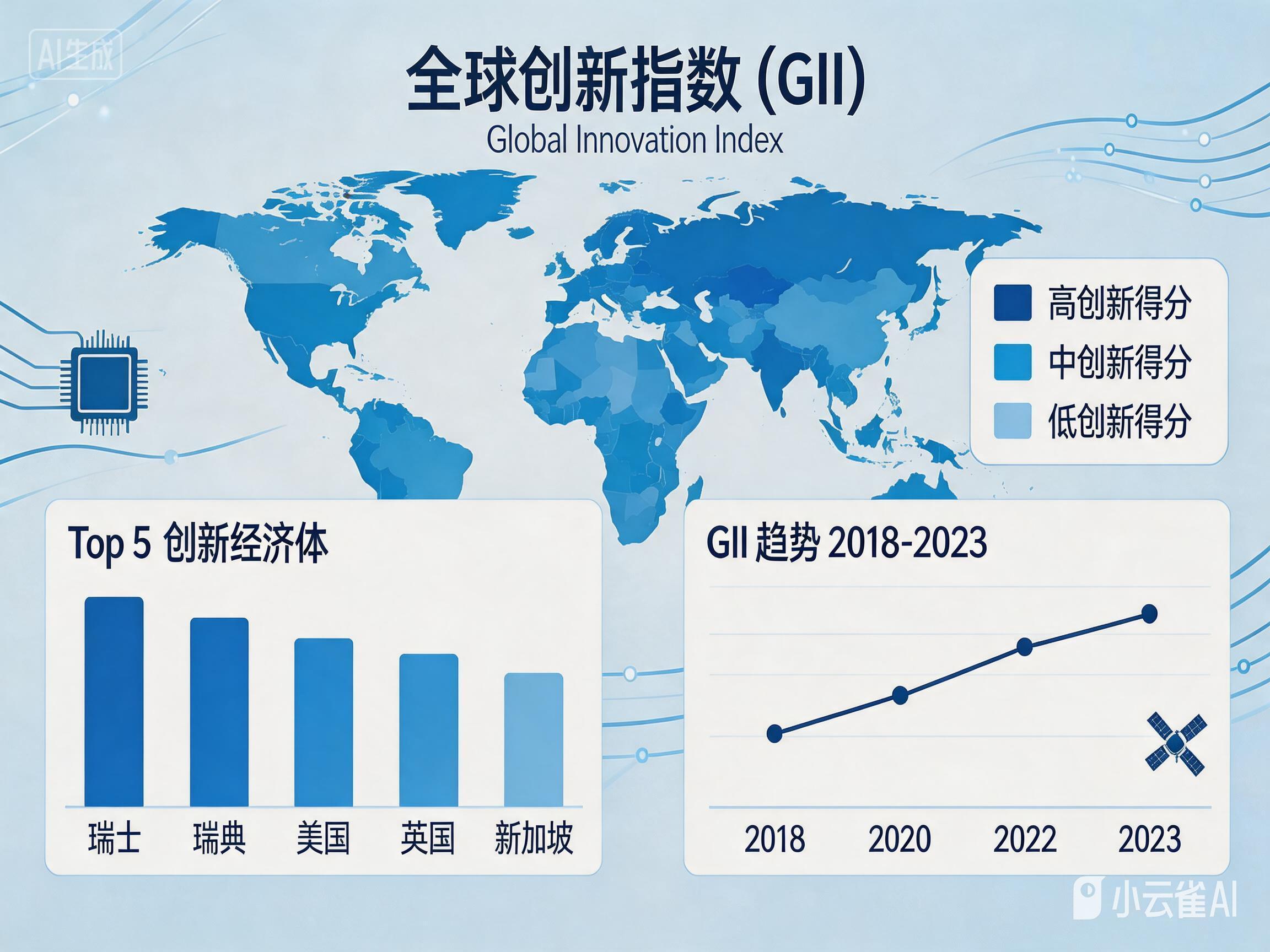
Economic Innovation Climate Barometer
Read moreTo enhance your browsing experience, this website uses cookies to improve user experience and analyze traffic. Please read ourPrivacy Policy